The Chthonic Winery

Ancient techniques. Native vines. Northeast terroir.

A natural wine project exploring ancient winemaking traditions — flor, reductive aging via evoo, botanicals — applied to the hybrid and native grapes of the American Northeast.

Techniques we work with
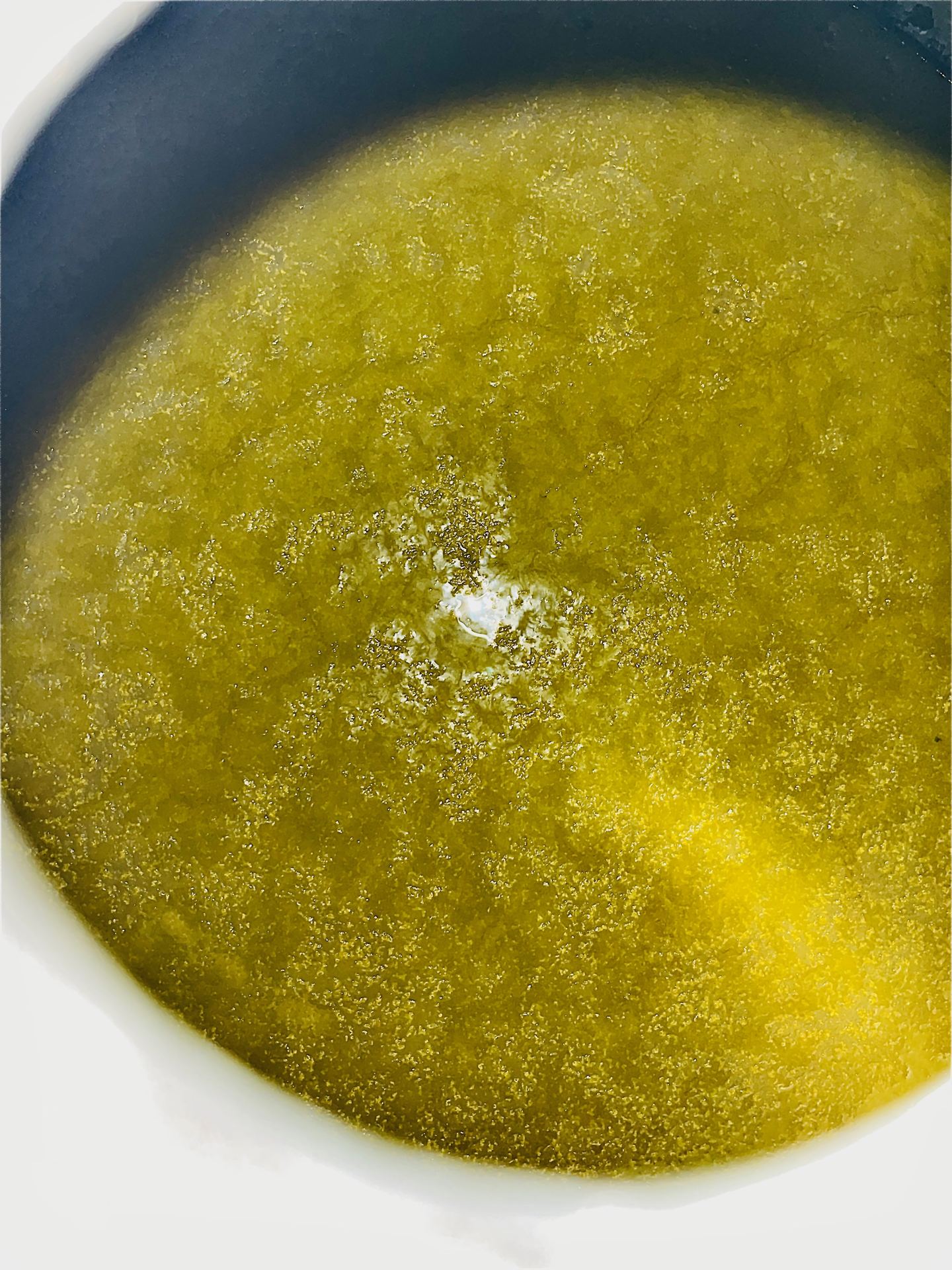
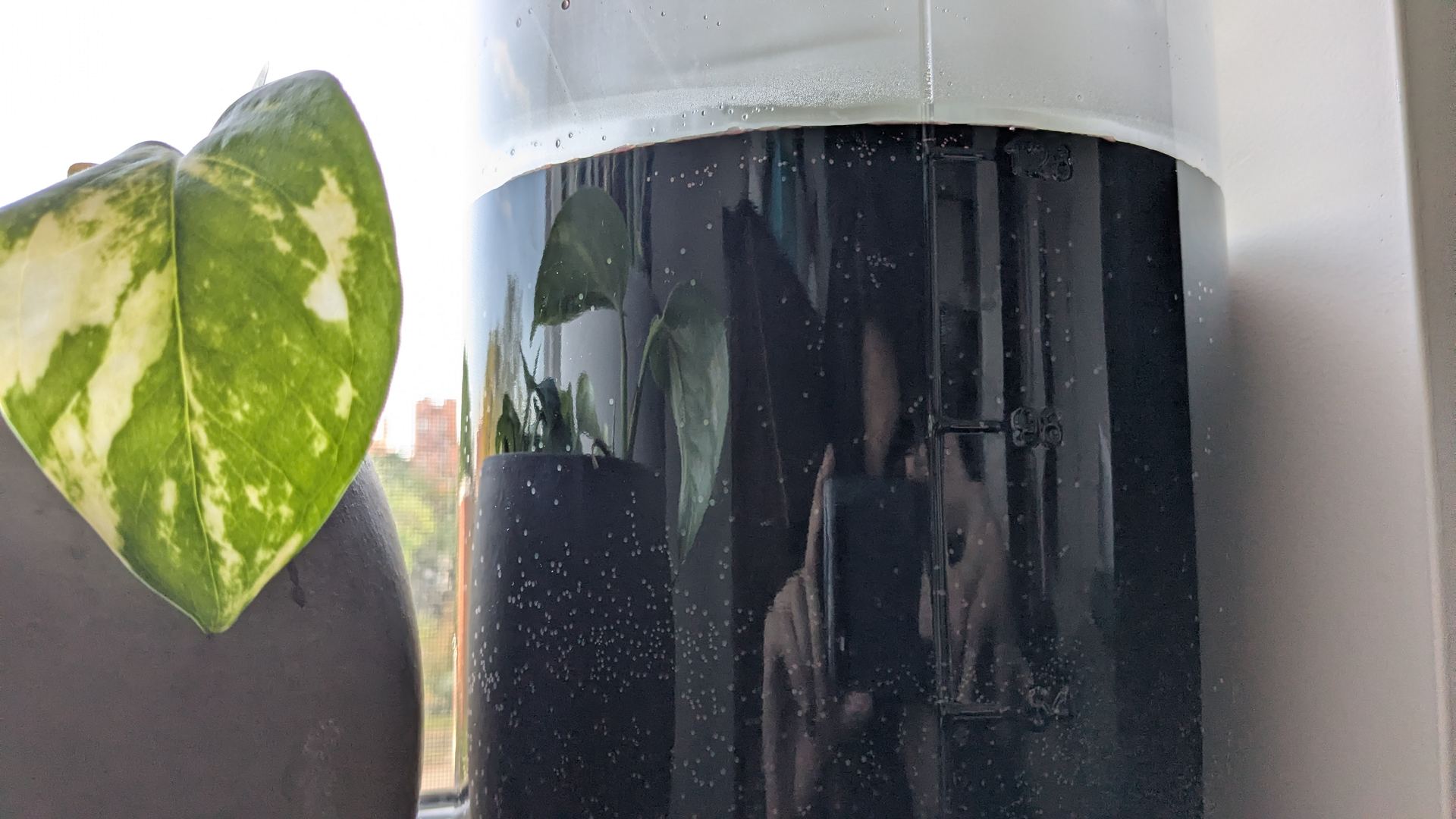
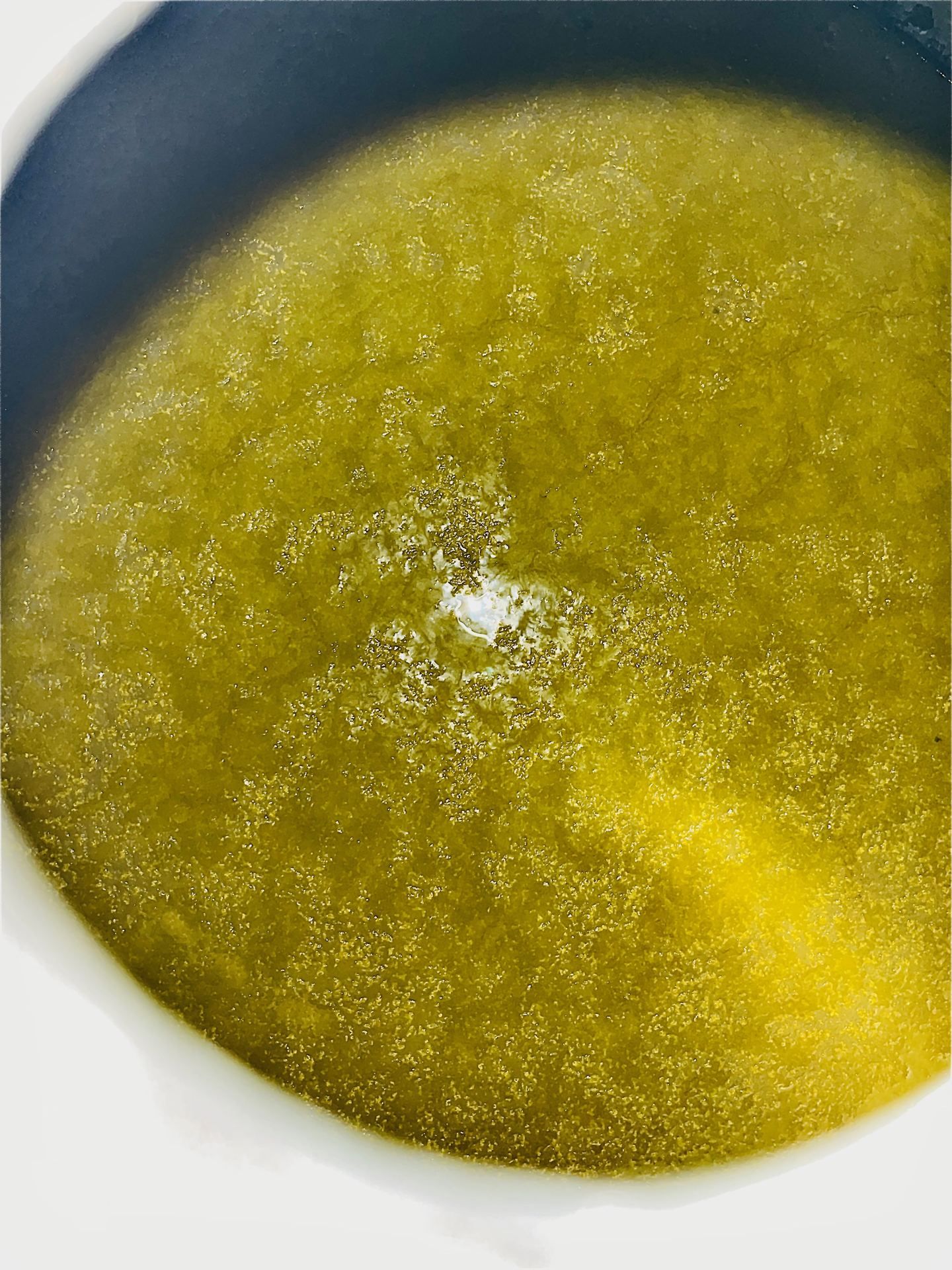
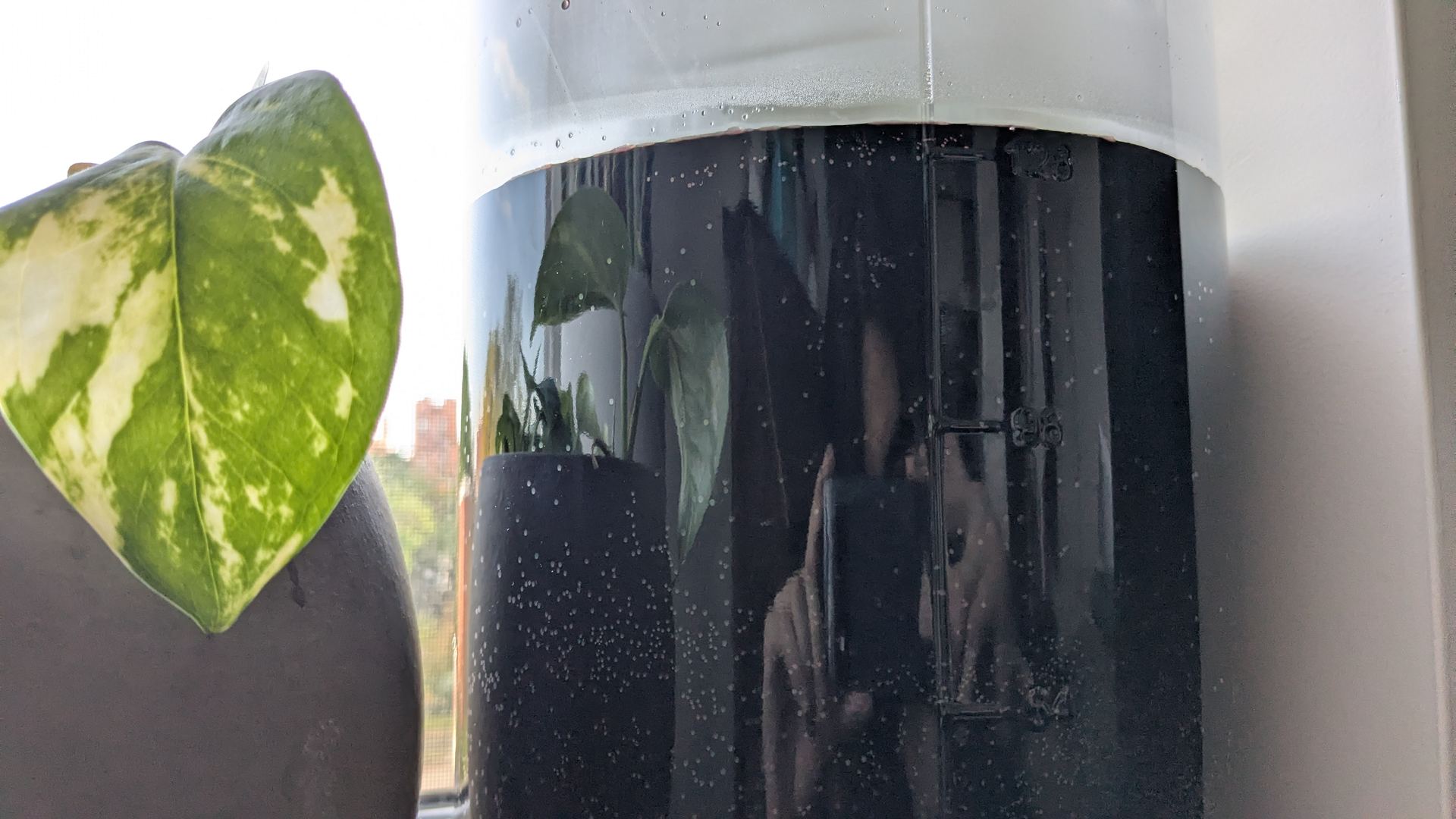
The olive oil reductive layer, with native flor yeast underneath

Olive Oil Reductive Layer

A blanket of extra virgin olive oil applied right after primary fermentation limits oxygen exposure, preserving terpenes and esters.
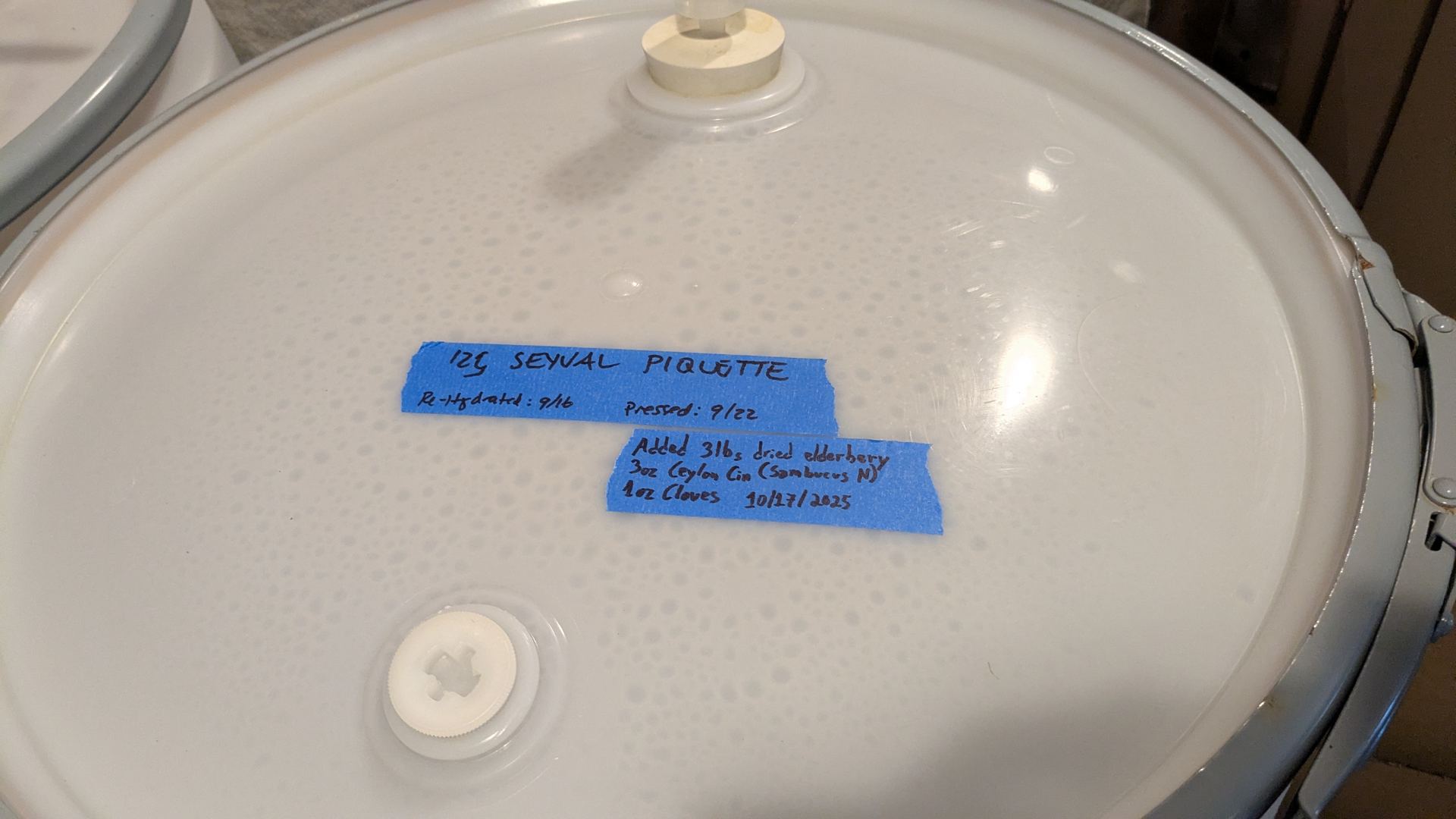
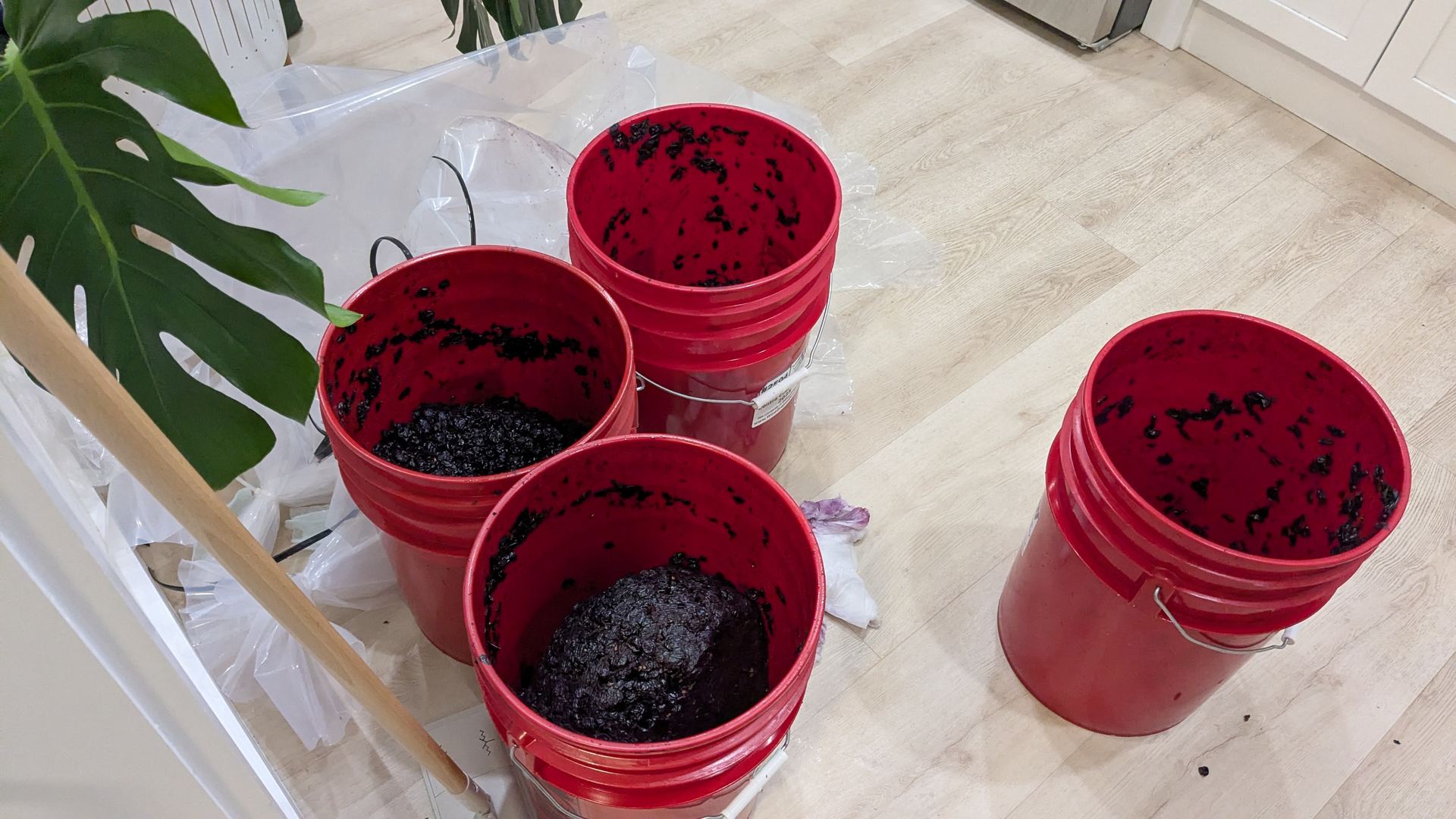
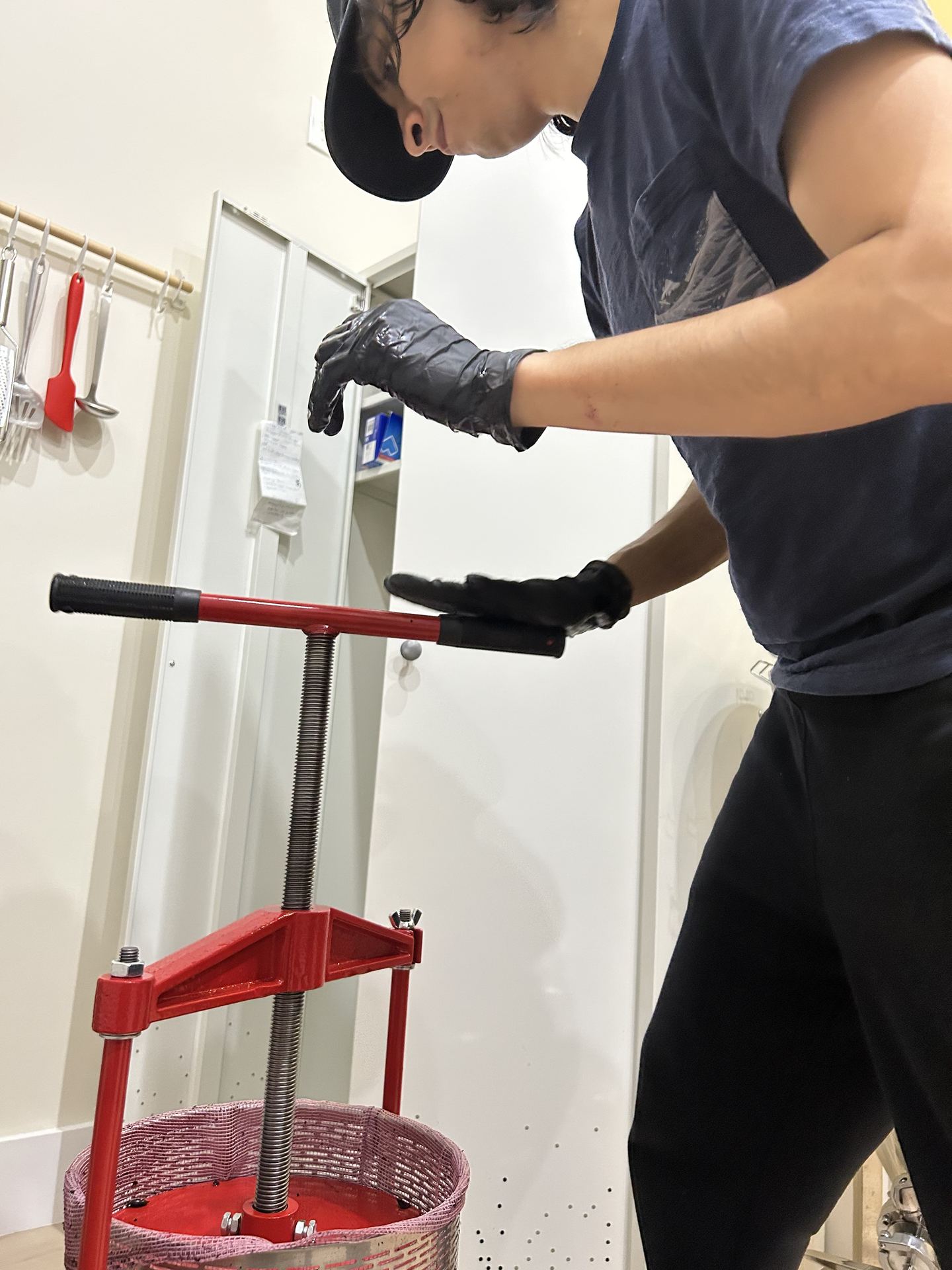
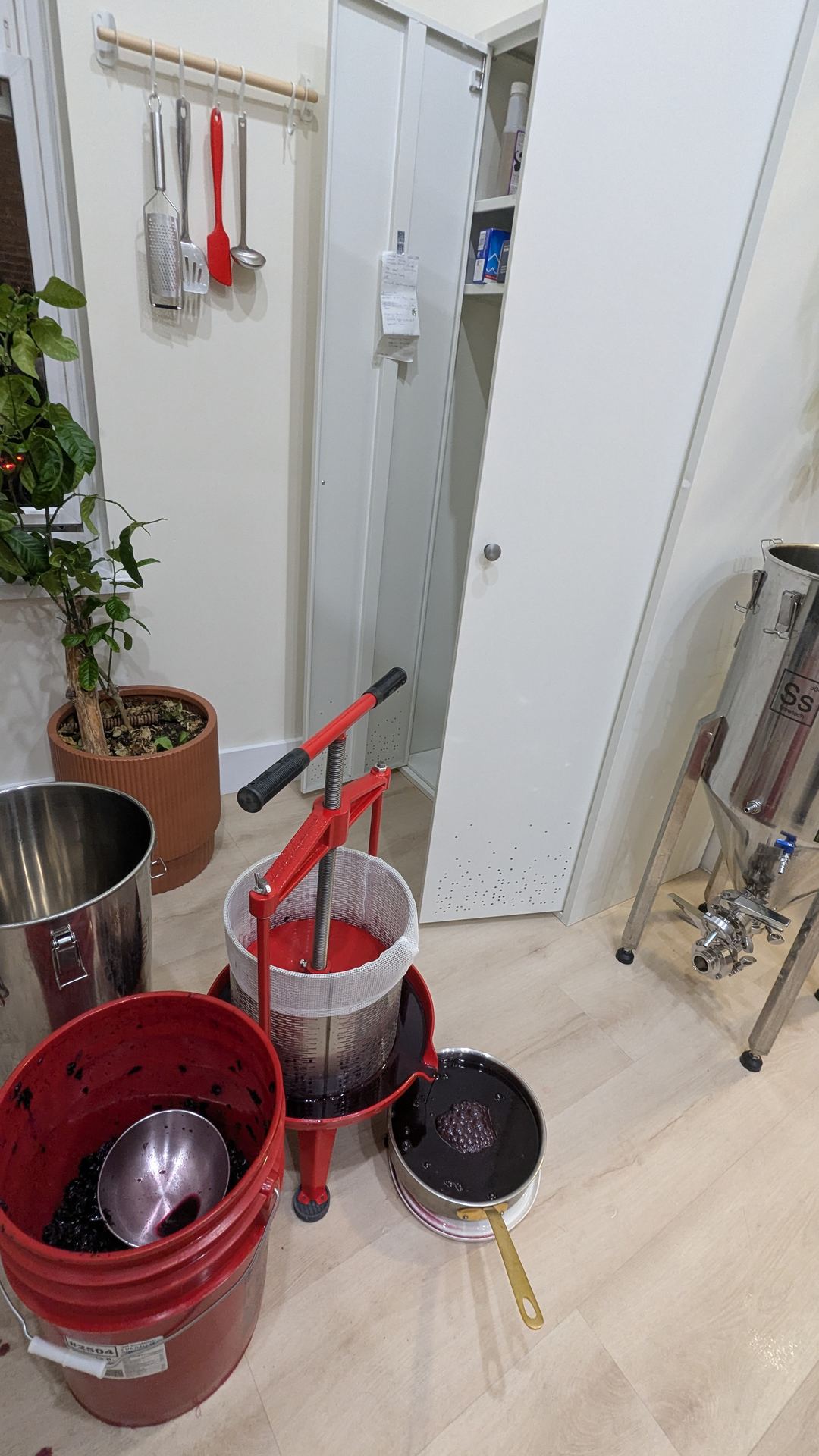
Piquette under fermentation

Piquette

Refermented from Seyval Blanc skins after rehydration with brown sugar, aged six months under flor. Coming this fall in two versions — a straight rendition, and one layered with elderberry (Sambucus nigra), Ceylon cinnamon, and clove, a co-ferment tradition once widespread in Europe before being banned as a wine additive in parts of France and Portugal in the 1800s. Releasing for Halloween/Thanksgiving.

Demi-rancio light exposure

Demi-Rancio

Controlled light exposure and heat — not the full traditional rancio process — coax out nutty, aged notes deliberately rather than avoiding them.

We're also exploring native flor yeast, botanical co-ferments / pairings (thyme, rosemary, pine needles, elderberry, cinnamon, clove), appassimento, and dry barreling — no dedicated products or photos for these yet, so we'll share more as those wines come together.
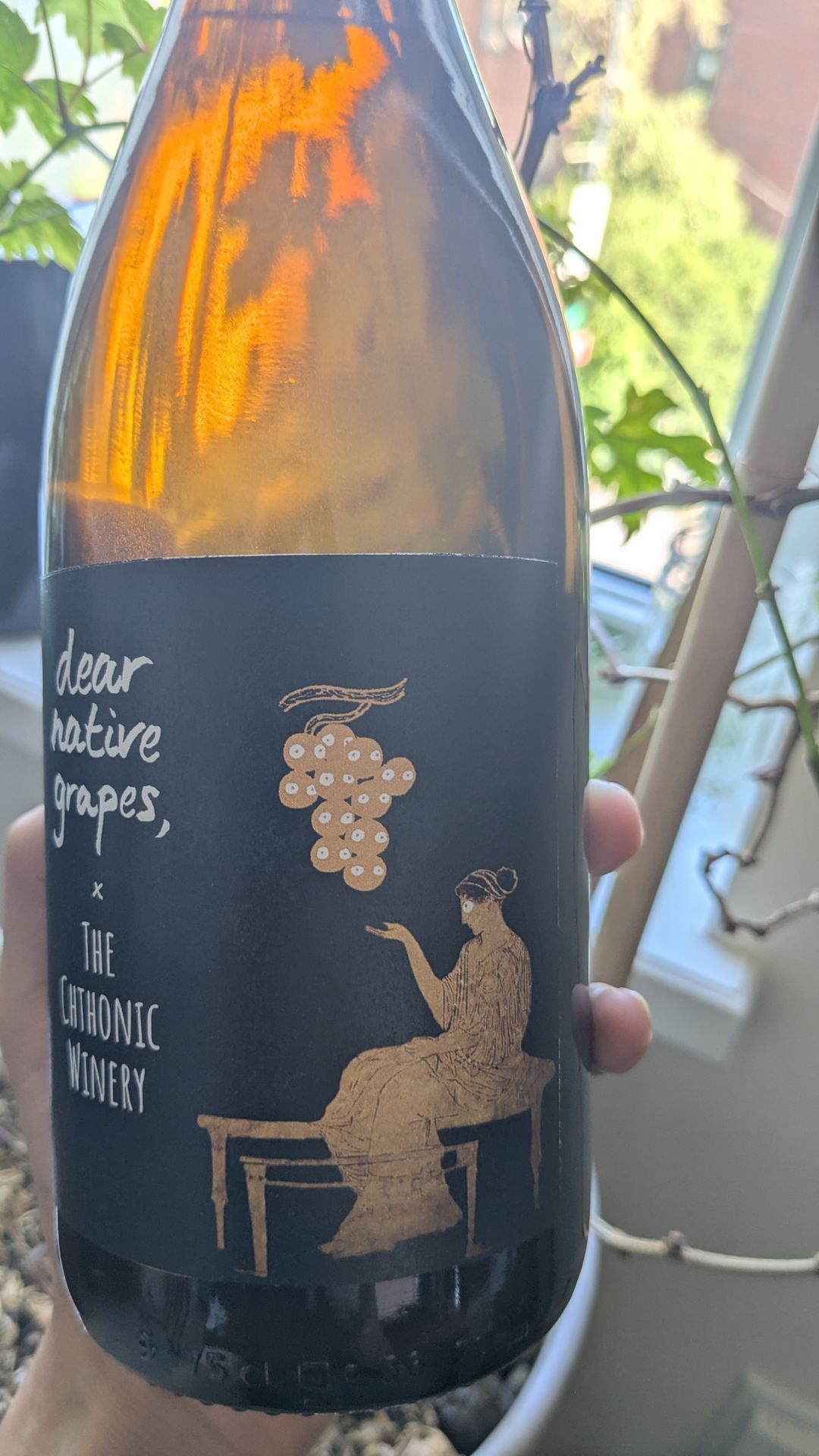
Current release

Persephone's Boon

2025 Seyval Blanc — Hudson River Region, NY

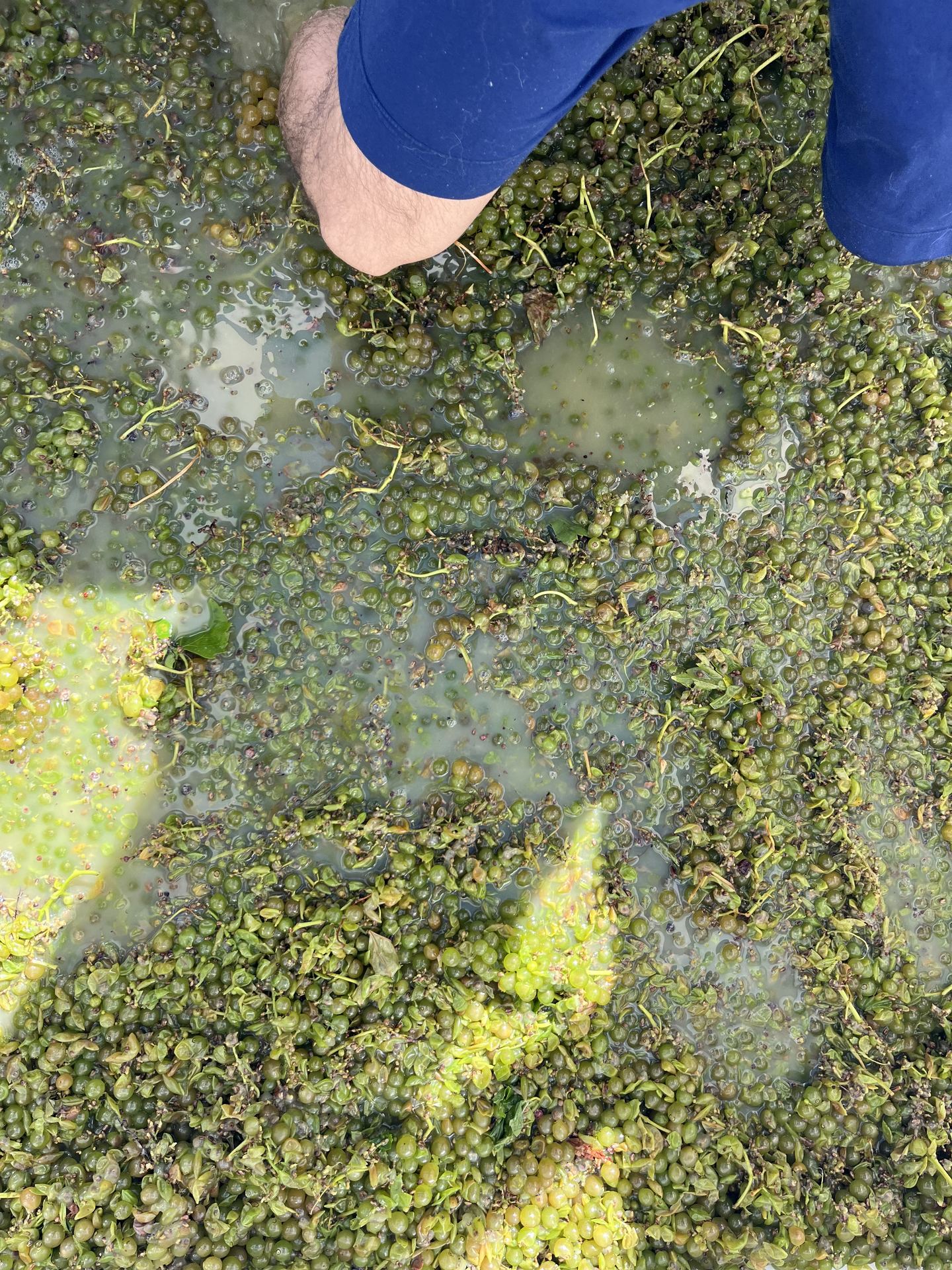
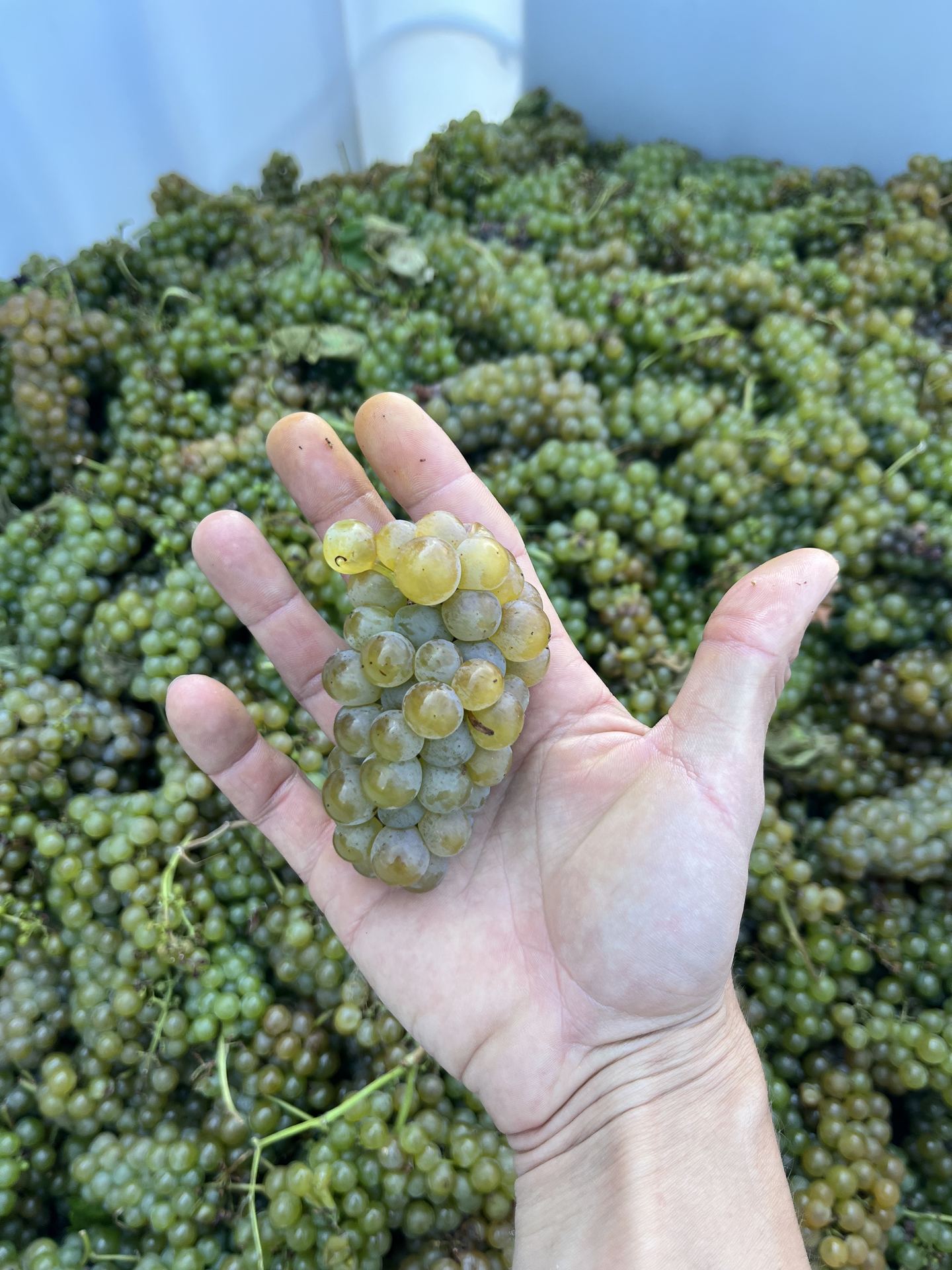
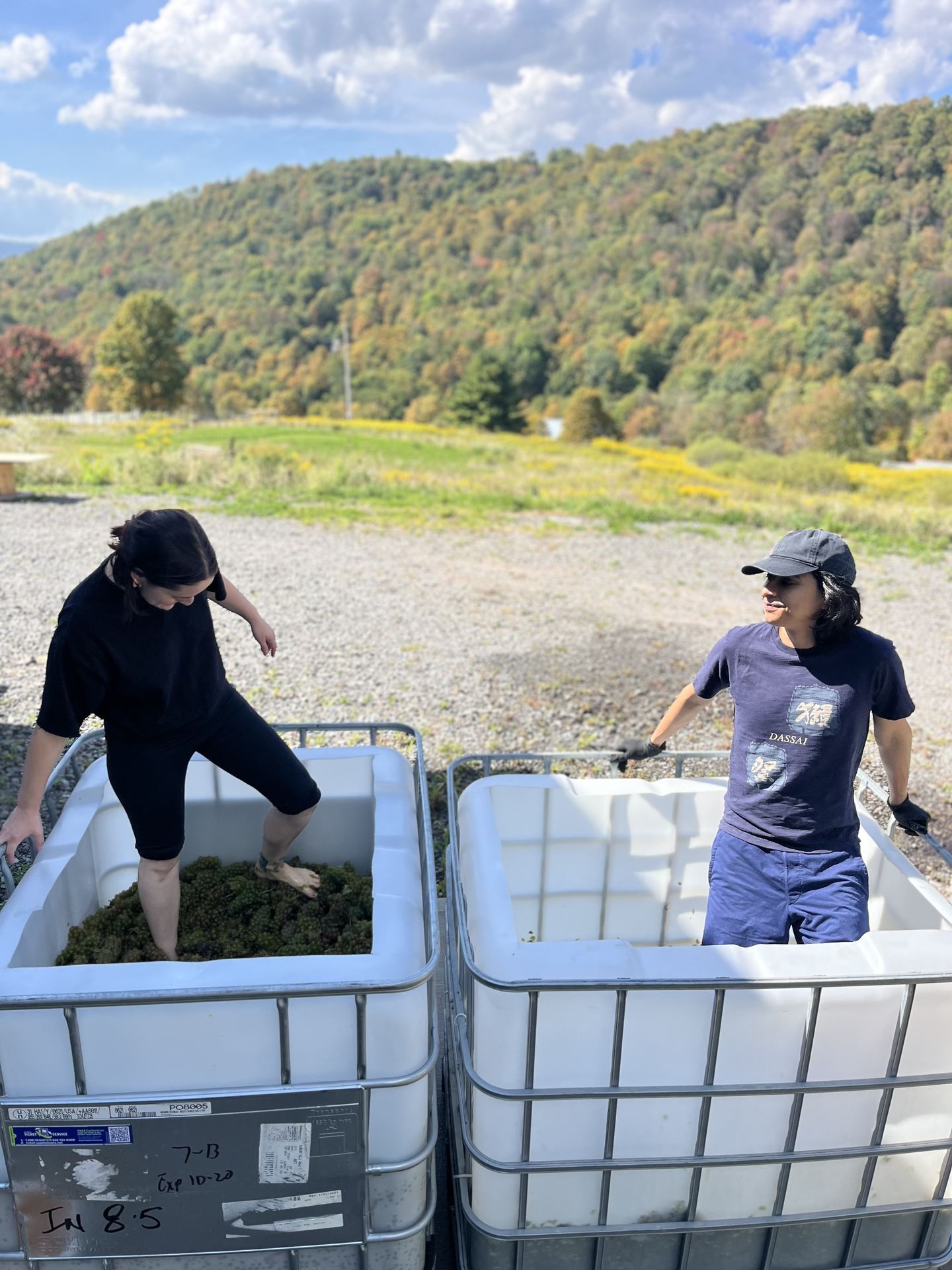
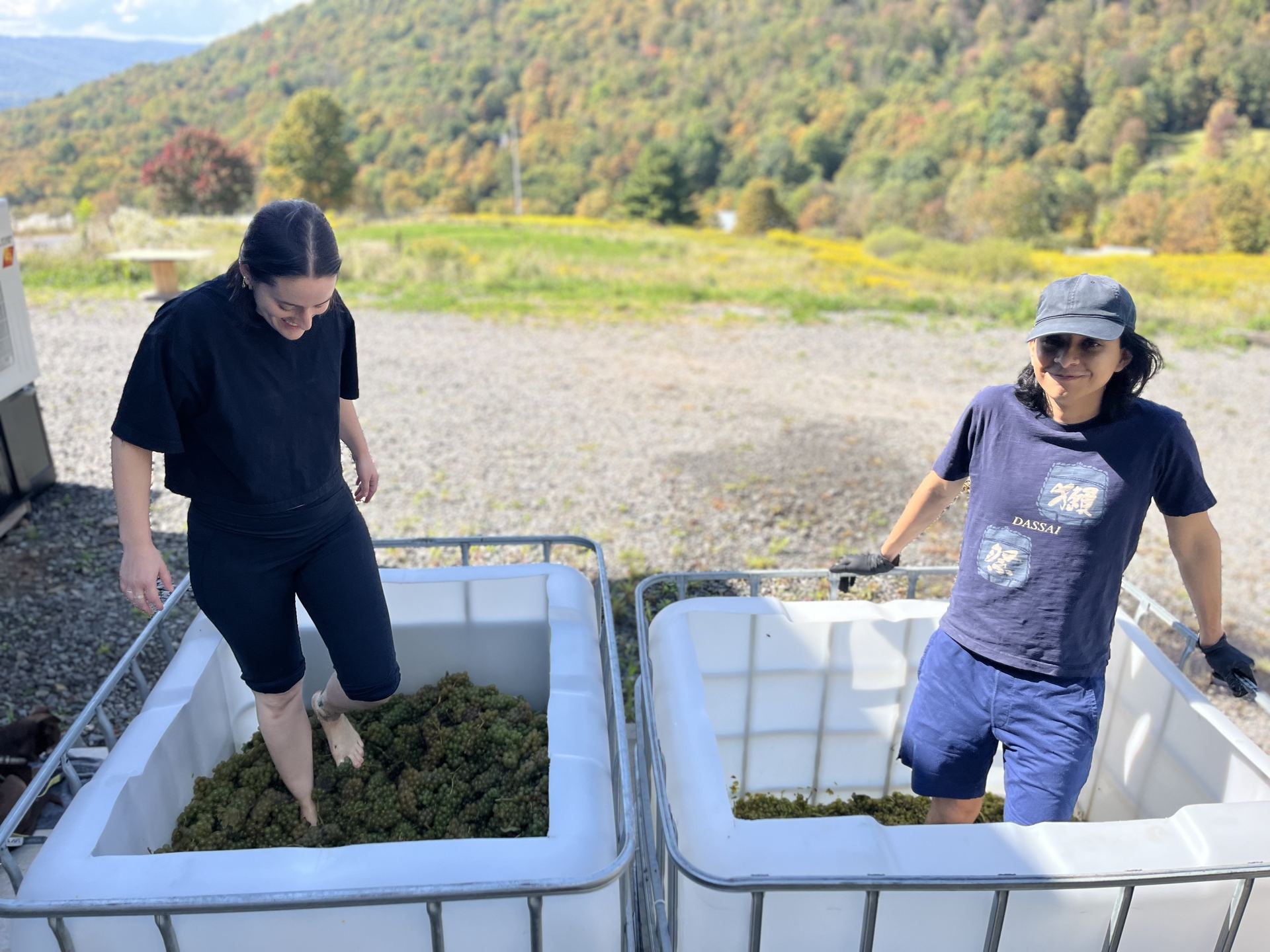
Made from Seyval Blanc grapes planted in the 1990s and sustainably farmed along the Hudson River in Marlborough, NY. Aged under a blanket of extra virgin olive oil following an ancient minimal-intervention reductive method — a process that fostered the growth of native flor yeast, unlocking tropical notes and umami undertones.

Persephone's Boon 2025 is a collaboration between Dear Native Grapes and The Chthonic Winery.

750ml  ·  10% ABV  ·  Contains sulfites

non-commercial · test batch

Even Devils Fear What They Cannot Understand

A single varietal — Alicante Bouschet (Garnacha Tintorera) from Contra Costa County, California — carried through five different vinification paths side by side, to see how the same fruit responds to each. That includes our first attempt at the olive oil reductive layer on a red wine, a technique we've so far only run on whites. Not for sale — this batch is purely for comparison.

Demi-Rancio (Semi-Sweet)

Light-strike and heat aging, finished with residual sweetness.

Demi-Rancio (Dry)

The same light-strike and heat process, fermented fully dry.

Control (Reductive)

No oxidative intervention — a reductive baseline to compare the rest against.

Olive Oil Layer

Aged under a blanket of extra virgin olive oil — untested on a red wine until now.

Oxidative (Flor)

Aged oxidatively, likely developing a native flor layer of its own.