Techniques we work with
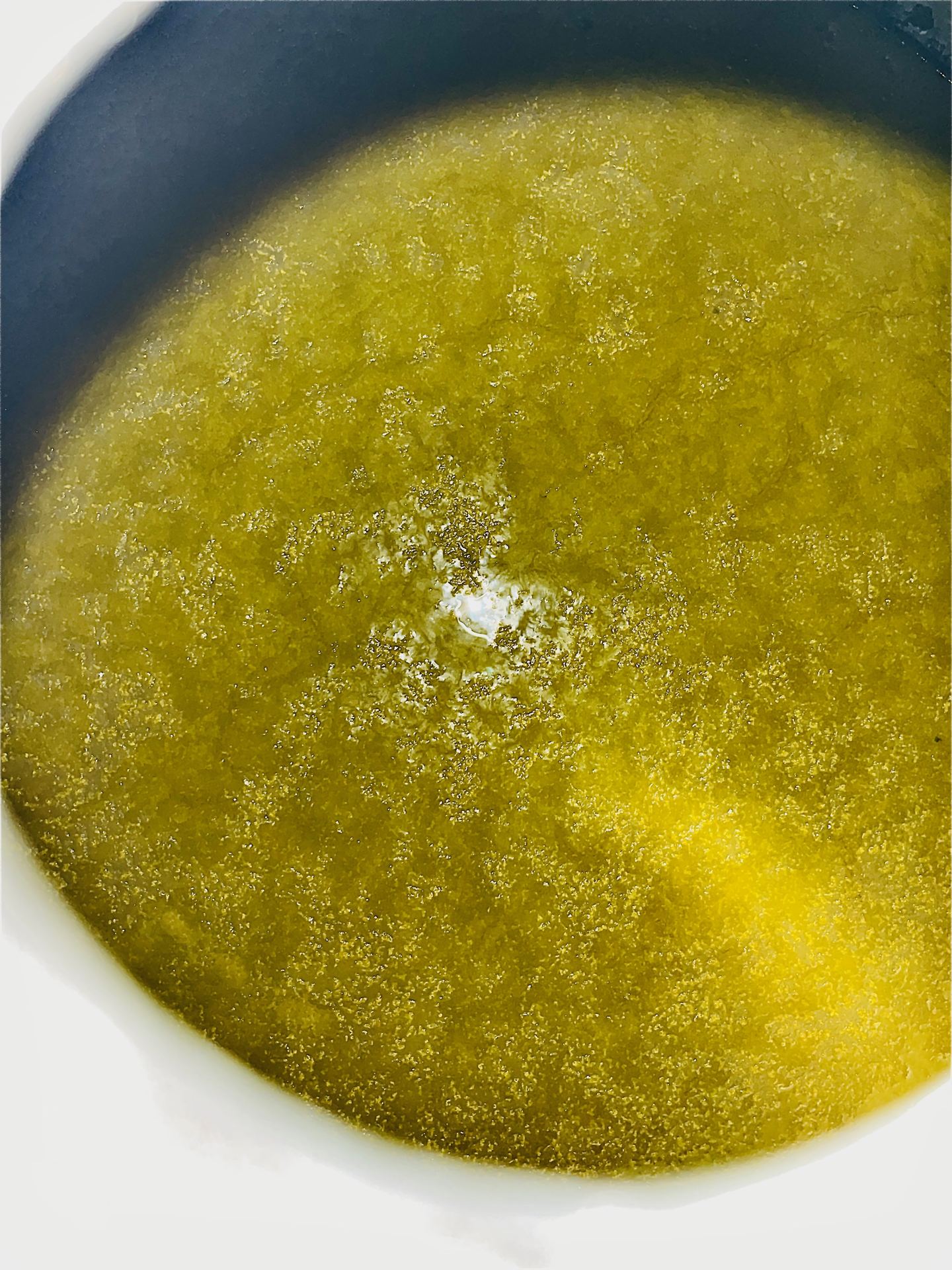
Olive Oil Reductive Layer
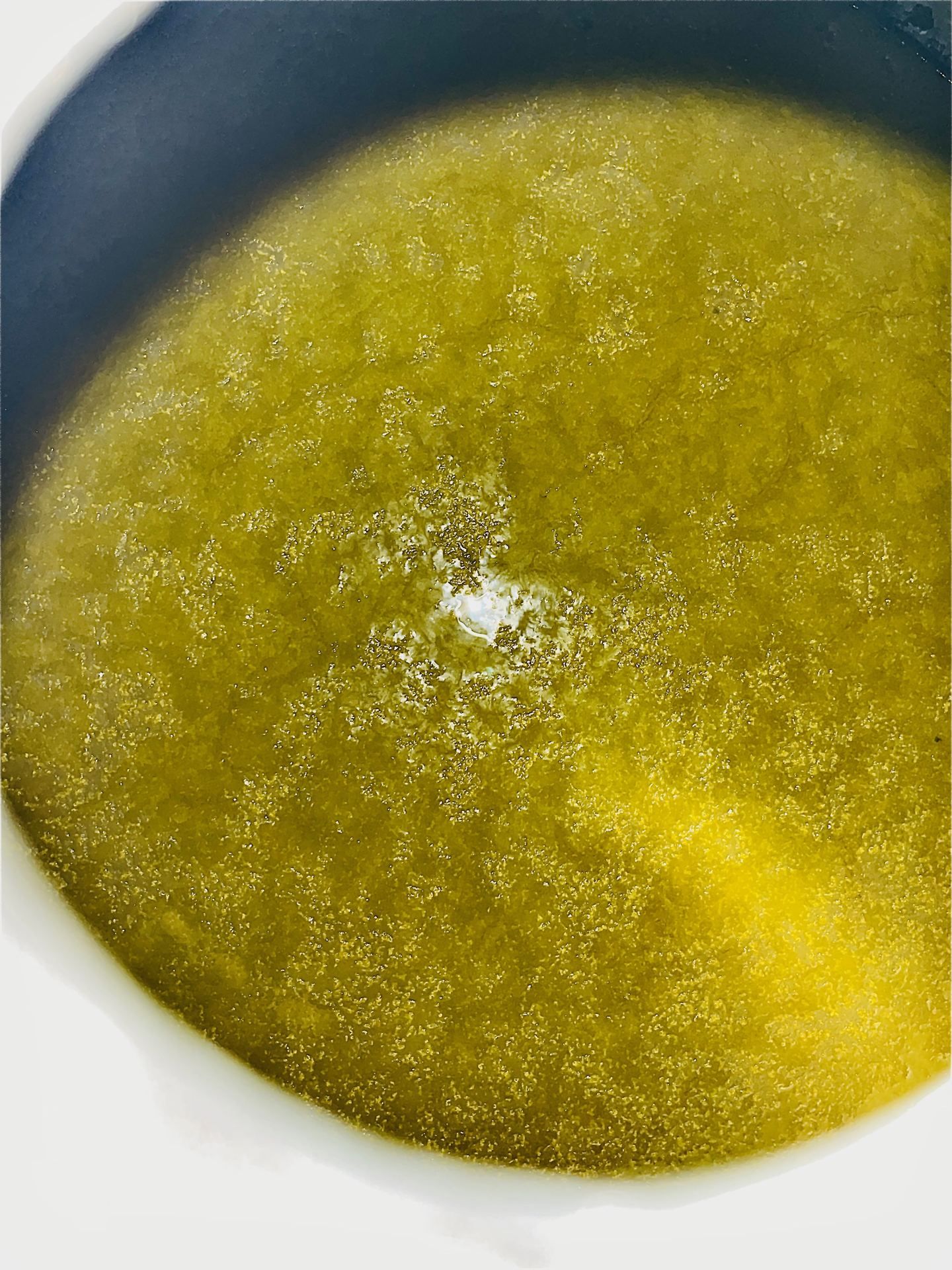
A blanket of extra virgin olive oil applied right after primary fermentation limits oxygen exposure, preserving terpenes and esters.
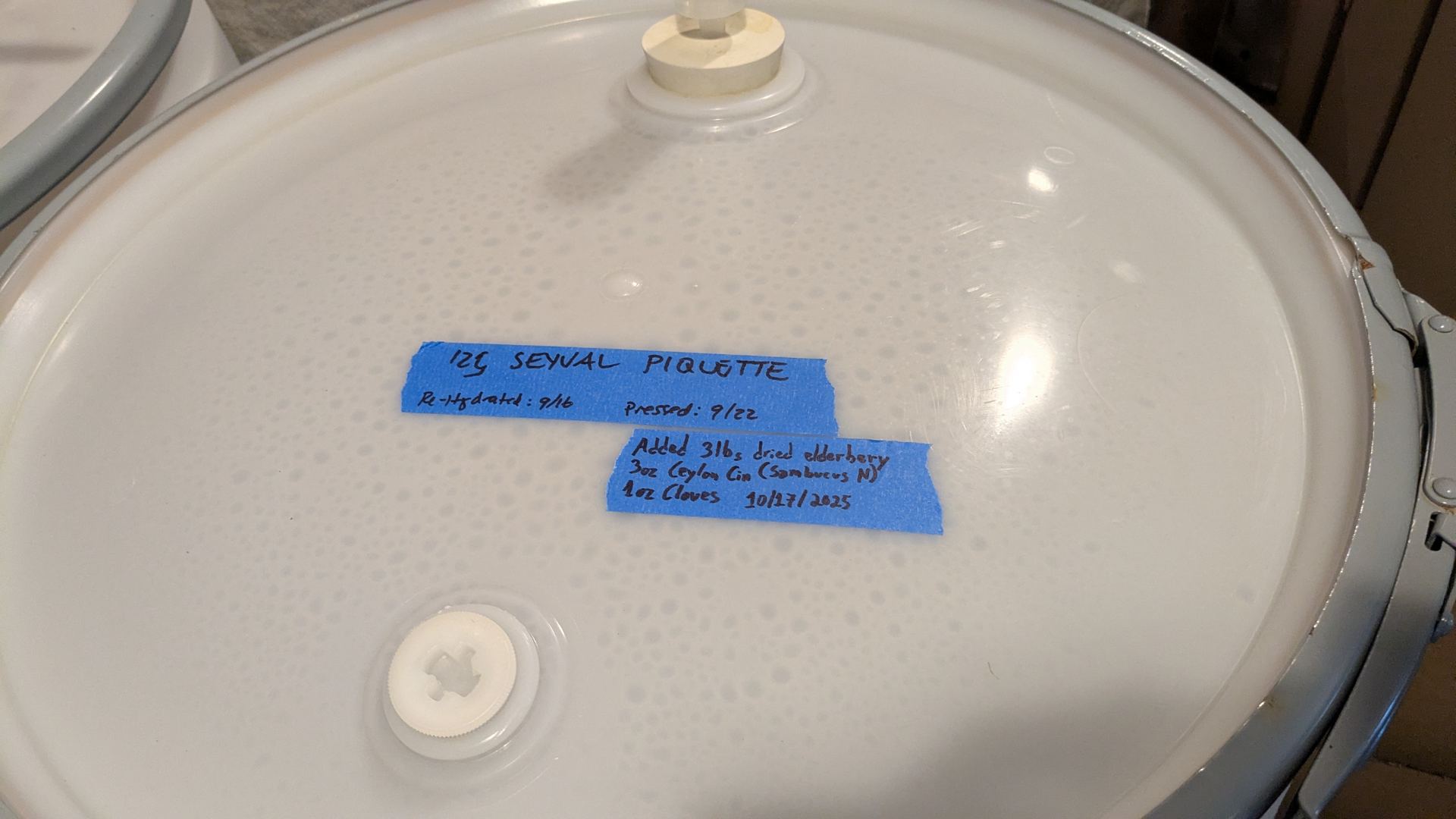
Piquette (roman lora / greek thamna)
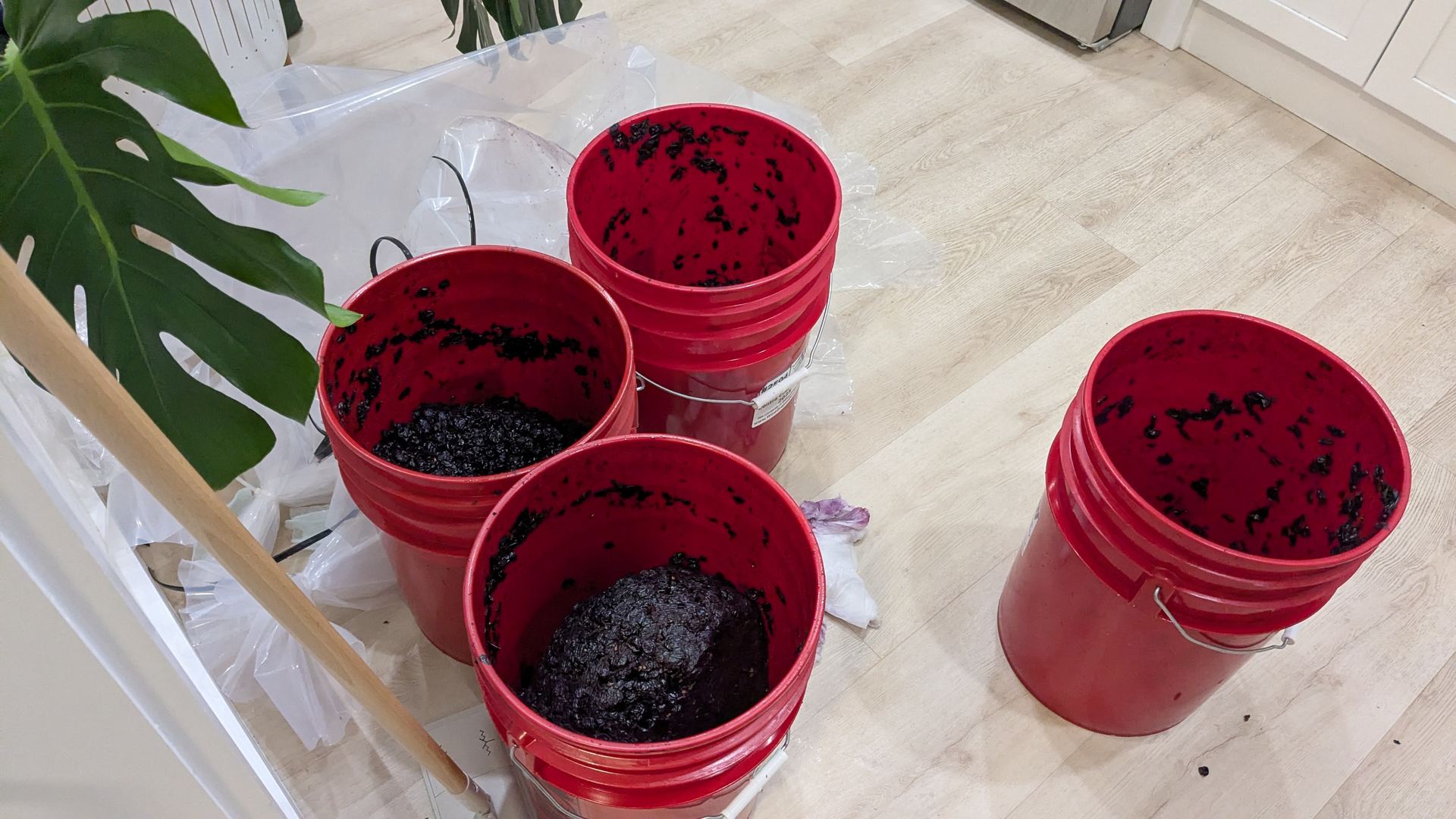
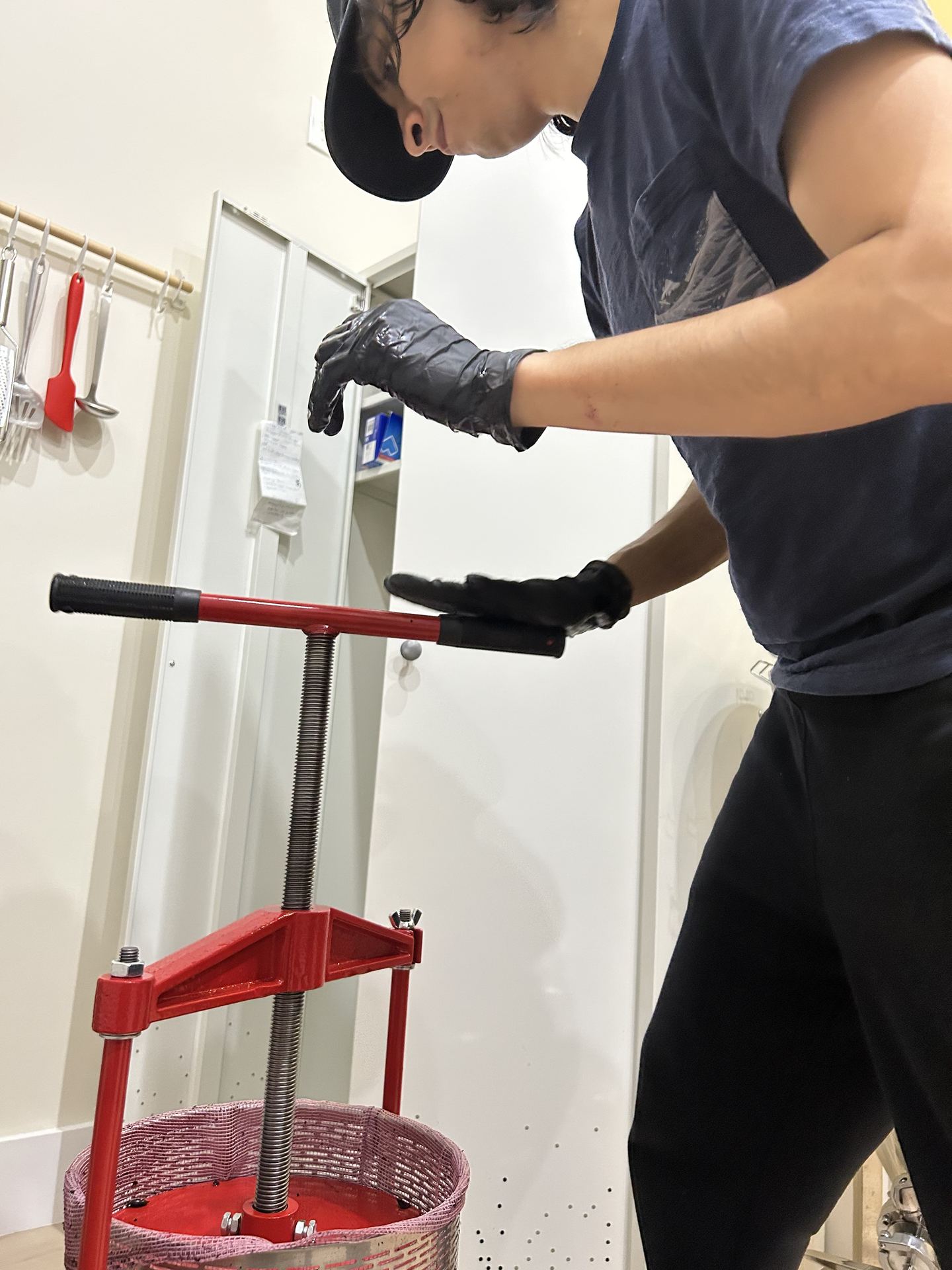
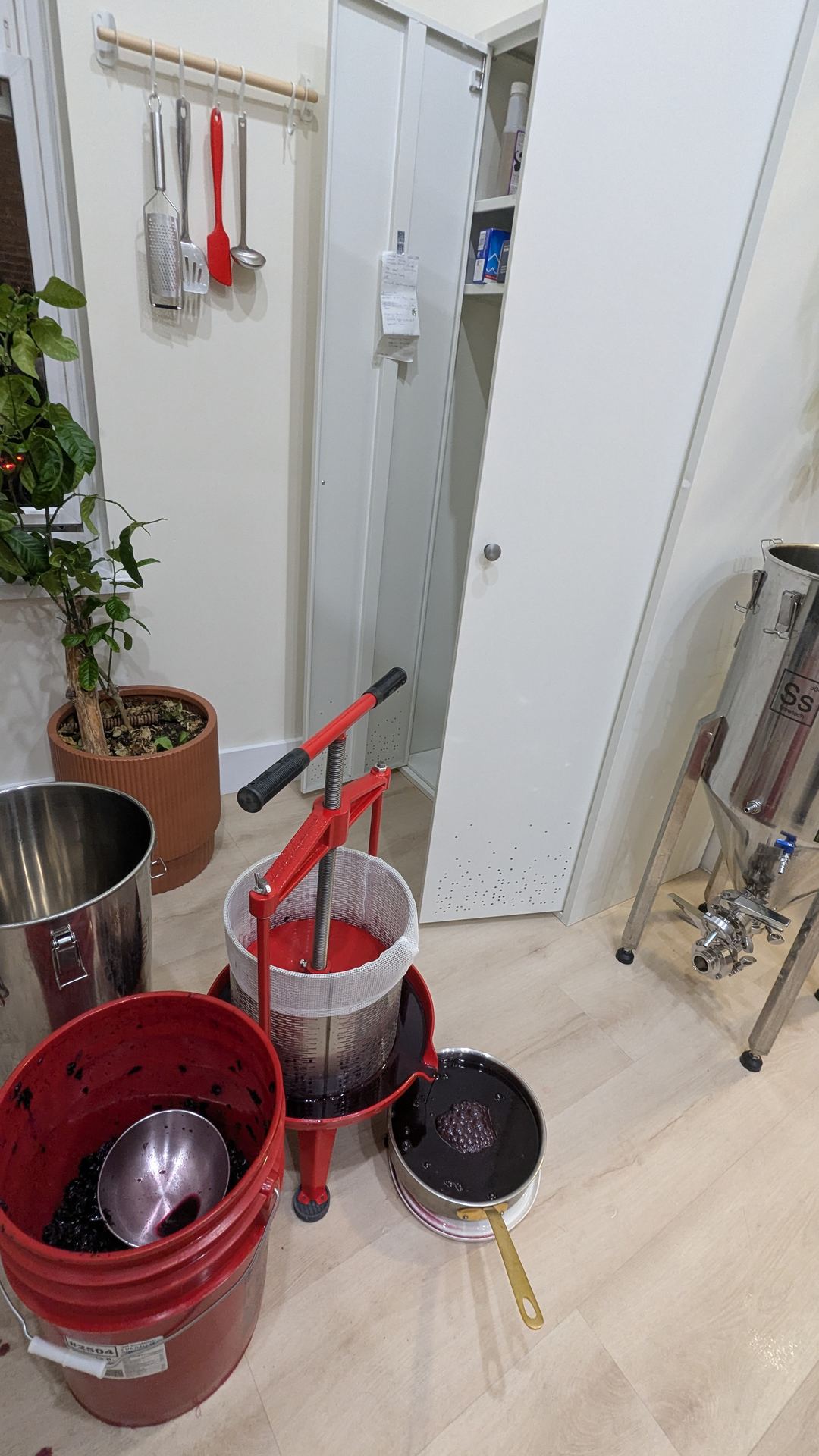
Made from fermenting a second pressing of rehydrated grape skins with honey or sugar. Typically fizzy and stylized as a lighter drink that highlights floral, herbal, and fresh fruit notes due to the increased ratio of skins by volume.
Coming this fall in two versions from Seyval Blanc skins: a straight rendition, and one with elderberry (Sambucus nigra), ceylon cinnamon, and cloves.
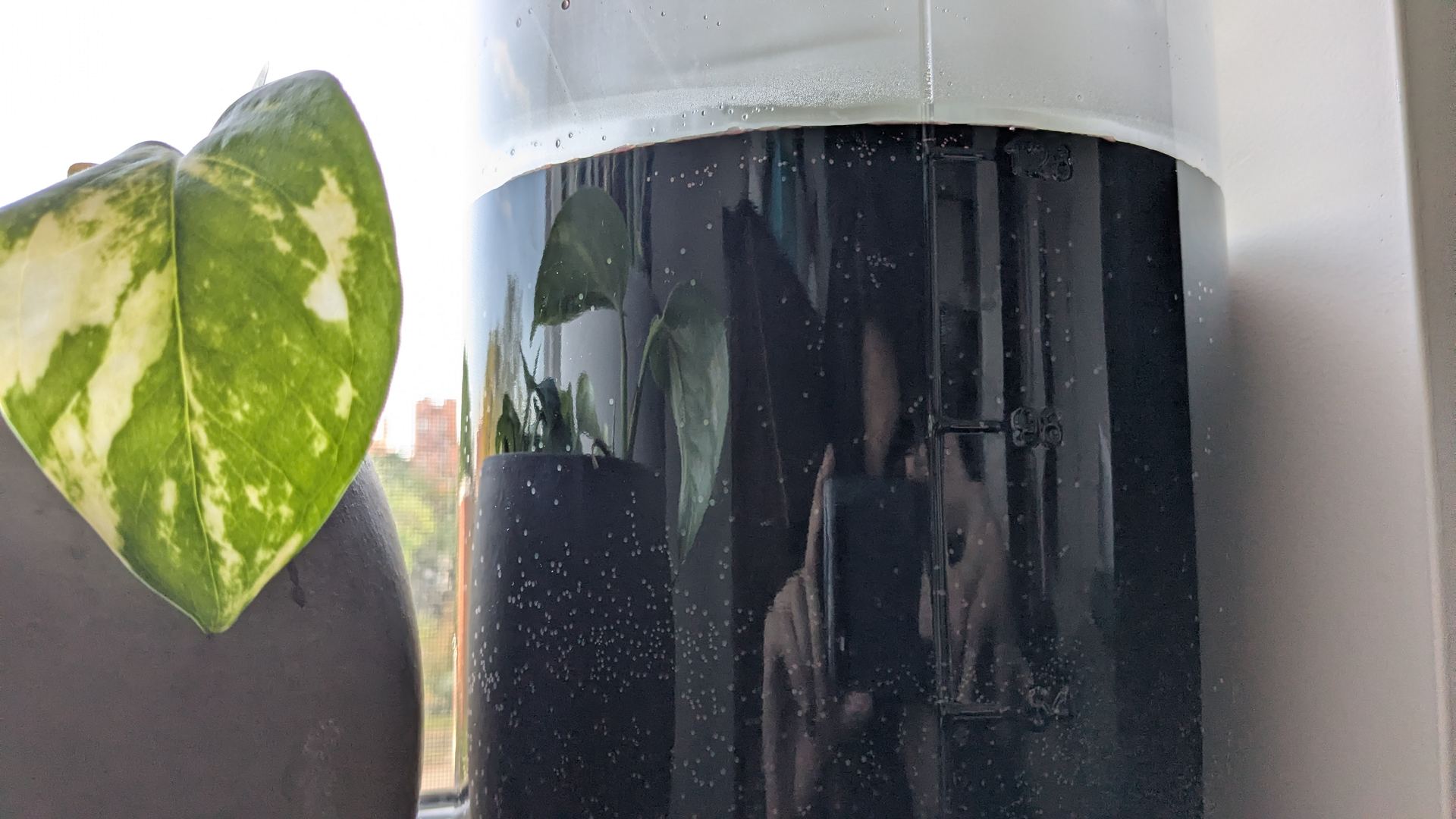
Demi-Rancio
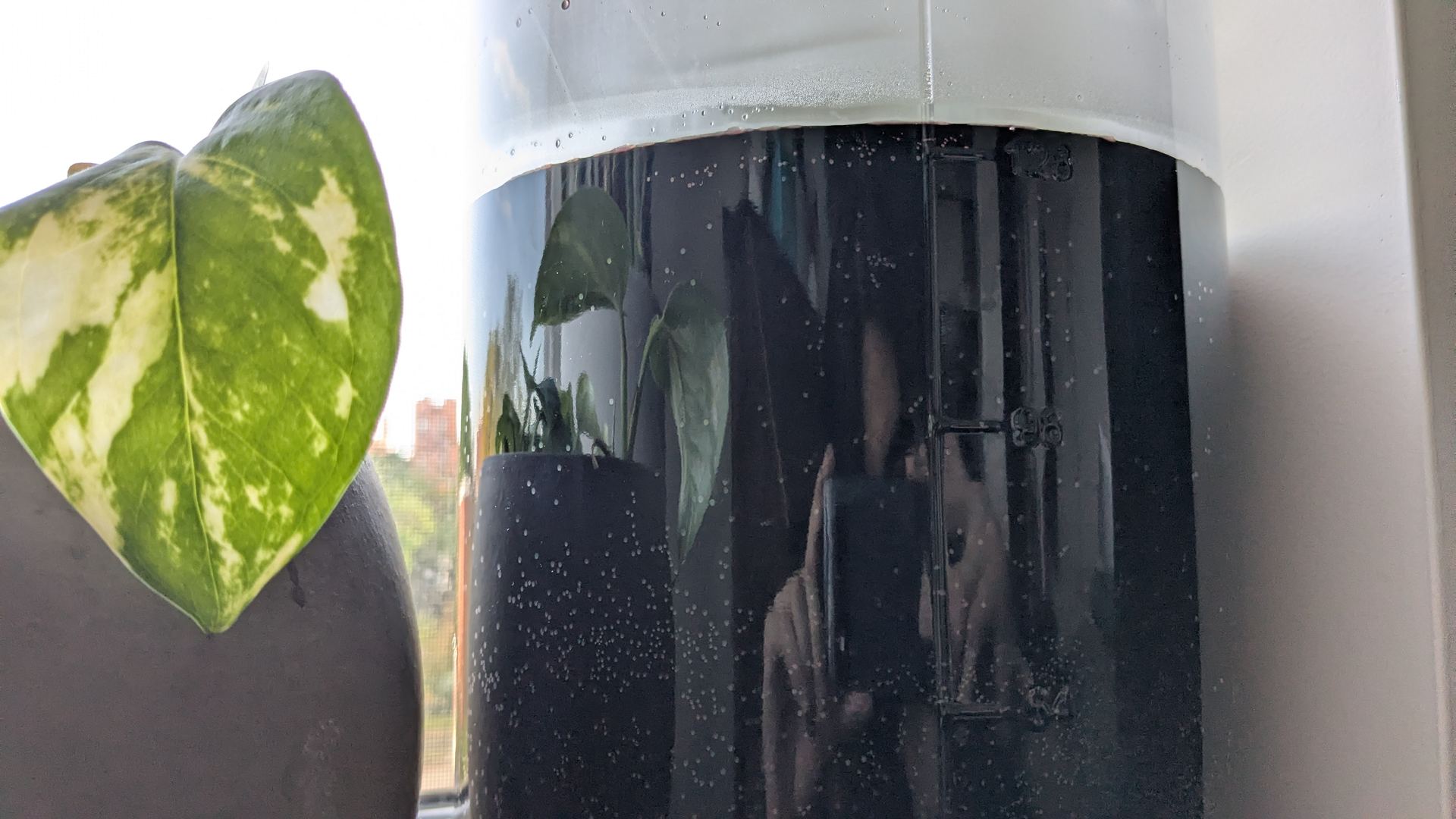
Controlled light exposure and heat to coax out nutty, caramelized, and aged notes deliberately, with only partial oxidative aging and without acidity and alcohol concentration. This is a spin on the ~2,000-year-old winemaking technique developed on both sides of the Pyrenees.
We're also exploring native flor yeast, botanical co-ferments / pairings (thyme, rosemary, pine needles, elderberry, cinnamon, clove), appassimento, and dry barreling - no dedicated products or photos for these yet, so we'll share more as those wines come together.